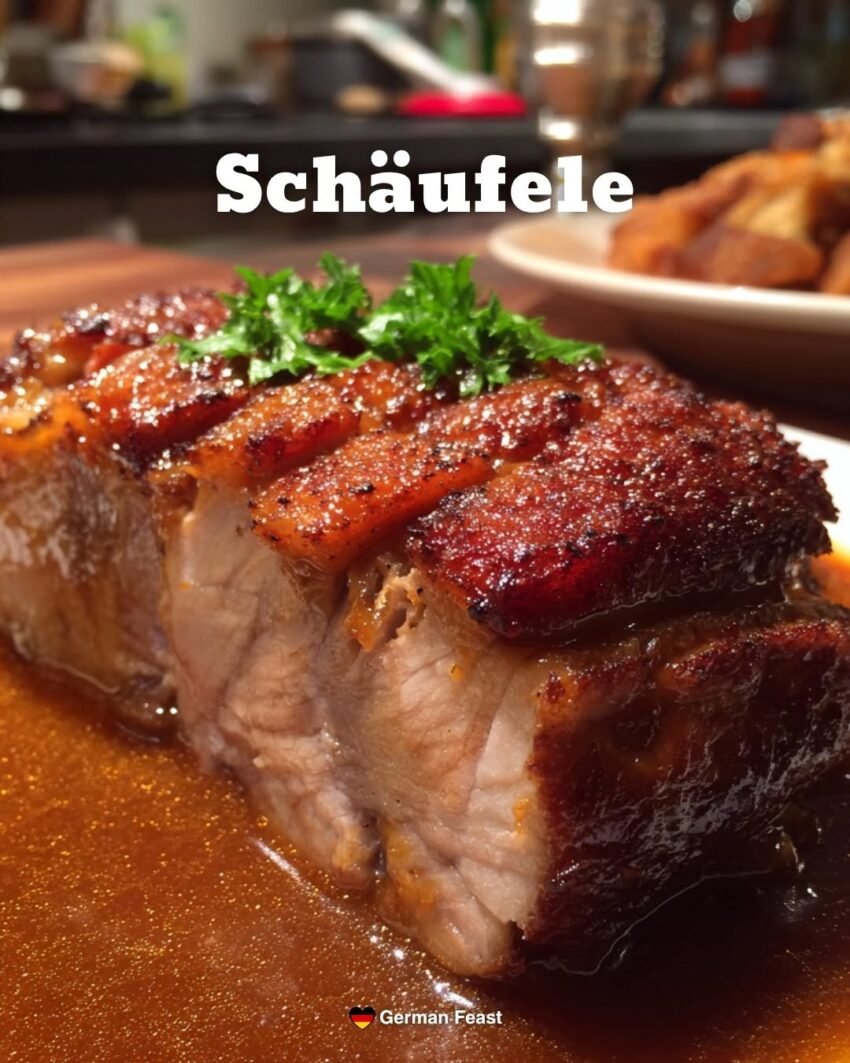
Tender Roasted Pork Shoulder with Crispy Crackling
Serves 6-8
Ingredients
-
2.5-3 kg (5-6.5 lbs) bone-in, skin-on pork shoulder (picnic or Boston butt, but skin-on is essential)
-
1 tbsp fine sea salt, plus extra for the skin
-
1 tsp black pepper
-
1 tbsp fennel seeds (optional, lightly crushed)
-
1 tbsp smoked paprika
-
4 cloves garlic, minced to a paste with a pinch of salt
-
2 tbsp olive oil
-
1 large onion, thickly sliced
-
1 cup (240ml) dry white wine or chicken stock, for the pan
The Critical Crackling Prep
1. Dry the Skin — The Most Important Step
-
The day before cooking (or at least 4 hours ahead), pat the pork shoulder completely dry with paper towels.
-
Place it uncovered on a wire rack over a tray in the fridge. This air-dries the skin. The drier the skin, the better the crackling. Overnight is ideal.
2. Score the Skin
-
Remove the pork from the fridge 1 hour before cooking to come to room temperature.
-
Using a very sharp knife, a razor blade, or a clean box cutter (the butcher’s trick), score the skin in close parallel lines about 1 cm (½ inch) apart. Cut through the skin and fat layer, but not into the meat. Alternatively, score in a diamond/crosshatch pattern. Ask your butcher to do this with their scoring machine for perfect results.
3. Season Aggressively
-
Flip the pork skin-side down. Rub the meat side with the garlic paste, smoked paprika, fennel seeds, pepper, and olive oil.
-
Turn it skin-side up. Rub fine sea salt deeply and firmly into every score line. Use more salt than you think — it draws out moisture and creates the crunch. Wipe away any salt from the meat side that dripped through.
-
Do not oil the skin. Salt only.
Roasting Method
4. Low and Slow (The Tenderness Phase)
-
Preheat oven to 150°C (300°F) .
-
Scatter the sliced onion in the base of a roasting tray to form a trivet. Pour in the wine or stock.
-
Place the pork on top of the onions, skin-side up. The skin must be level — prop the shoulder with scrunched foil underneath if it tilts, so the skin is horizontal for even crackling.
-
Roast for 3.5 to 4 hours. The meat should be probe-tender and pulling away from the bone. Internal temperature of the meat (not touching the bone) should be around 90-93°C (195-200°F) .
5. Check the Skin
-
After the slow roast, the skin should be dry, hardened, and golden but not yet puffed. If it’s still soft, the crackling won’t work — let it go another 20 minutes. It must be dry and firm.
6. The Blast (The Crackling Phase)
-
Remove the pork from the oven. Increase the temperature to 250°C (480°F) — convection/fan if you have it, as moving air helps puff the skin.
-
Once the oven is fully at temperature, return the pork (still on the onion trivet). Watch it closely.
-
Roast for 15-25 minutes. The skin will start popping, bubbling, and puffing up like pork rinds. Rotate the pan if some spots are browning faster. Pull it when the crackling is deeply golden, blistered, and covers the whole surface.
7. Rest Correctly (Keep the Crackling Crisp)
-
Transfer the pork to a board. Rest for 20-30 minutes, uncovered. Do not tent with foil — trapped steam will soften the crackling you worked so hard to achieve.
-
Pour the pan juices (minus some fat if excessive) into a jug for serving. The onions left in the tray are a delicious, caramelized bonus.
Carving and Serving
-
Use a large serrated knife or a heavy cleaver. Cut through the crackling first, scoring along the lines, then slice the meat. The meat should pull apart with gentle pressure.
-
Pile onto a platter, crackling shards scattered over the top, with the pan juices in a jug.
Perfect Sides
| Side | Why It Works |
|---|---|
| Apple sauce | The classic sweet-tart counterpoint to rich pork |
| Crusty bread rolls | For sauce-soaking and crackling-stuffing |
| Crispy roast potatoes | Cooked in the rendered pork fat |
| Braised red cabbage | Sweet-sour and deeply comforting |
| Coleslaw or fennel salad | Bright, crunchy freshness |
Troubleshooting Crackling
| Problem | Fix Next Time |
|---|---|
| Skin is chewy, not crisp | Skin wasn’t dry enough. Longer fridge-drying, deeper scoring, and salt in the cuts. |
| Burnt skin but undercooked meat | Oven too hot during slow roast, or pork too close to the element. Lower the rack. |
| Crackling only puffed in patches | Surface not level. Prop the joint so skin is horizontal for even heat. |
| No puff at all | Skin needed more drying, or the blast wasn’t hot enough. Must be 250°C+. |