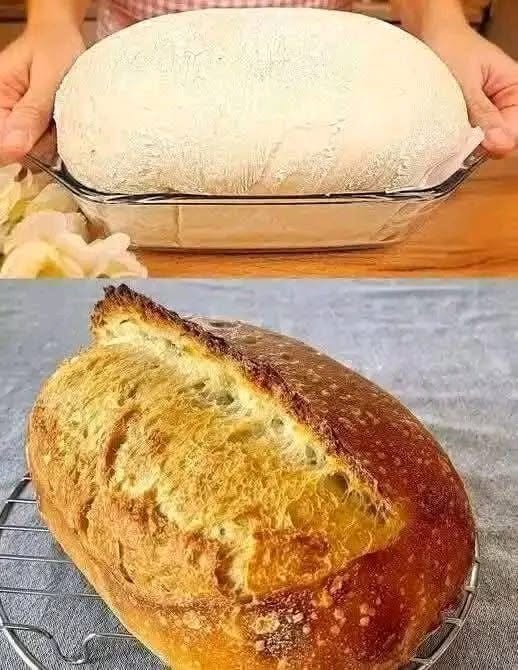
Artisan Sourdough Bread Loaf
Makes 1 large boule or batard
Schedule Overview
| Time | Step |
|---|---|
| 8:00 AM | Feed starter |
| 12:00 PM (or when starter peaks) | Autolyse |
| 12:45 PM | Mix dough, add salt |
| 1:00 PM — 5:00 PM | Bulk fermentation with stretch & folds |
| 5:00 PM | Pre-shape |
| 5:30 PM | Final shape, into banneton |
| 5:30 PM — 8:30 PM | Room temp proof or |
| 5:30 PM — next morning | Cold proof overnight (recommended) |
| Next day, 8:00 AM | Bake |
Ingredients
Levain
-
25g active sourdough starter
-
50g bread flour
-
50g water (room temperature)
Final Dough
-
450g high-quality bread flour (12-13% protein)
-
50g whole wheat flour (adds flavor and crust color)
-
375g water (75% hydration — manageable for beginners)
-
10g fine sea salt
-
All of the levain (approx. 100g)
-
Rice flour, for dusting (won’t absorb into the dough like wheat flour)
Equipment Needed
-
Dutch oven (or a baking stone + steam tray)
-
Banneton (proofing basket) or a bowl lined with a floured tea towel
-
Bench scraper
-
Razor blade or sharp lame
-
Parchment paper
Method
1. Feed Your Starter (Morning, Day 1)
-
4-6 hours before you plan to mix the dough, build the levain. Combine 25g starter, 50g flour, 50g water. Let it sit at room temp until doubled, bubbly, and domed at the top. It should float in water (the “float test”).
2. Autolyse (When Starter Peaks)
-
In a large bowl, combine the 450g bread flour, 50g whole wheat flour, and 375g water. Mix with your hand until no dry flour remains. Cover and rest 45 minutes. This hydrates the flour and begins gluten development without work.
3. Add Levain and Salt
-
Add the levain to the dough. Pinch and squeeze with wet fingers to fully incorporate (about 1 minute).
-
Sprinkle the salt evenly over the top. Pinch and fold again for 1-2 minutes until the dough feels cohesive and the salt is fully dissolved.
-
Transfer to a clean, lightly oiled bowl or straight-sided container for bulk fermentation.
4. Bulk Fermentation (4-5 Hours at 23-24°C / 73-75°F)
-
Every 30 minutes for the first 2 hours, perform a “stretch and fold.” With wet hands, grab one side of the dough, stretch it up high, and fold it over the center. Turn the bowl 90 degrees and repeat until you’ve done all 4 sides (1 set). You’ll do 4 sets total.
-
After the last fold, leave the dough untouched for the remaining 2-3 hours.
-
Bulk is done when: the dough has risen about 40-60%, the surface is domed and smooth, and small bubbles dot the surface. A jiggle test tells a lot — the bowl should wobble like a loose belly laugh.
5. Pre-Shape
-
Turn the dough onto a very lightly floured surface. Shape into a loose round by pulling the edges into the center with floured hands. Flip seam-side down. Rest uncovered for 25 minutes. The dough will relax and flatten slightly.
6. Final Shape
-
Lightly dust the top with flour. Using a bench scraper, flip the dough over. Fold the bottom up to the middle, fold the sides in, then fold the top down. Roll from the top toward you to create tension. Use your hands to gently pull the loaf toward you on the counter to tighten the surface.
-
Dust the shaped loaf with rice flour. Place seam-side up in a floured banneton. Pinch the seam closed.
7. Proof
Option A — Cold Proof (Recommended for best flavor)
-
Cover the banneton with a shower cap or plastic bag. Refrigerate 12-16 hours (overnight). The cold slows fermentation, deepening the tang and making scoring easier.
Option B — Room Temperature Proof
-
Cover and proof at warm room temp for 2-4 hours until puffy and the dough springs back slowly when poked.
8. Bake (Next Morning)
-
Place a Dutch oven with its lid in the oven. Preheat to 250°C (480°F) for 45-60 minutes. The pot must be ripping hot.
-
Turn the cold dough out onto a sheet of parchment paper. Brush off excess rice flour. Score the top quickly and confidently with a razor blade — one long slash or a decorative pattern, at a 30-45° angle.
-
Lift the dough by the parchment and lower it into the screaming hot Dutch oven. Cover with the lid.
-
Bake covered: 20 minutes.
-
Bake uncovered: Reduce heat to 230°C (450°F) and bake another 20-25 minutes, until the crust is deep mahogany and the loaf sounds hollow when tapped on the bottom.
-
Internal temp should reach 96-98°C (205-210°F) .
9. Cool
-
This is the hardest part. Transfer to a wire rack and cool completely, minimum 2 hours. Cutting warm sourdough releases steam and leaves a gummy crumb. The bread continues cooking inside as it cools.
Visual Cues Checklist
| Stage | What to Look For |
|---|---|
| Levain ready | Doubled, domed, bubbly, passes float test |
| Bulk fermentation done | Increased 40-60%, domed, bubbly, jiggly |
| Final proof done | Puffy, slow spring-back when poked |
| Baked | Deep brown, hollow thump, 96°C internal |
Troubleshooting Quick Guide
| Issue | Likely Fix |
|---|---|
| Flat, spreading loaf | Weak starter, under-developed gluten (more folds), or over-proofed |
| Tight, dense crumb | Under-proofed (ferment longer), weak starter |
| Burnt bottom | Place a baking sheet on the rack below the Dutch oven |
| Gummy crumb | Under-baked, or cut too soon |
| No oven spring | Weak shaping (not enough tension), over-proofed, or oven not hot enough |