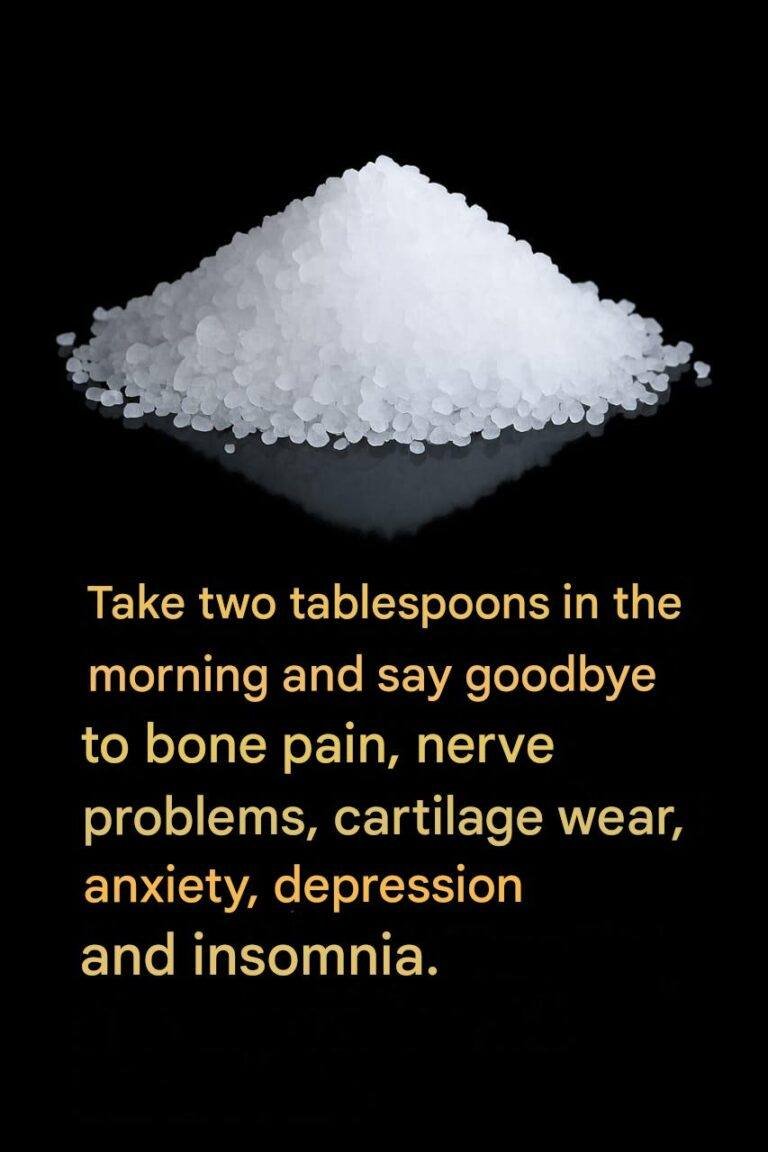
🦴 Magnesium for Healthy Bones: Why It Matters More Than You Think
When people think of bone health, calcium and vitamin D usually come first. But magnesium is just as critical — and often overlooked. Without enough magnesium, calcium cannot be properly utilized, and bones can become weak over time.
Here’s what you need to know about magnesium’s role in bone health, how much you need, and the best sources.
🔬 How Magnesium Supports Bones
| Function | How It Works |
|---|---|
| Calcium absorption | Magnesium helps convert vitamin D into its active form, which then regulates calcium absorption. Low magnesium = low vitamin D activity = poor calcium use. |
| Bone crystal formation | Magnesium is a structural component of bone (about 60% of the body’s magnesium is stored in bones). It affects the formation of hydroxyapatite crystals that give bones their hardness. |
| Parathyroid hormone (PTH) regulation | Magnesium helps control PTH, which pulls calcium from bones when blood levels are low. Without enough magnesium, PTH can become dysregulated, leading to excessive bone breakdown. |
| Inflammation reduction | Chronic inflammation increases bone resorption. Magnesium has anti-inflammatory properties that may protect bone density. |
📊 What the Research Shows
| Finding | Study Summary |
|---|---|
| Higher magnesium intake = higher bone density | Multiple observational studies show a positive association between magnesium intake and bone mineral density in hips, spines, and femurs. |
| Lower fracture risk | A large meta-analysis found that higher magnesium intake was linked to a significantly lower risk of hip and total fractures, especially in older adults. |
| Magnesium deficiency is common | Up to 50–60% of people in developed countries may not meet the recommended daily intake for magnesium. |
| Works synergistically with calcium | A high calcium-to-magnesium ratio (common with calcium supplements) may be less effective for bone health than a balanced intake. |
📍 Recommended Daily Intake
| Age Group | Men | Women | Pregnancy |
|---|---|---|---|
| 19–30 years | 400 mg | 310 mg | 350 mg |
| 31–50 years | 420 mg | 320 mg | 360 mg |
| 51+ years | 420 mg | 320 mg | N/A |
⚠️ Most adults fall short. One study found that nearly half of Americans consume less than the estimated average requirement (EAR) for magnesium.
🥗 Best Food Sources of Magnesium
| Food | Serving | Magnesium (mg) |
|---|---|---|
| Pumpkin seeds | 1 oz (28g) | 150 mg |
| Almonds | 1 oz (23 nuts) | 80 mg |
| Spinach (cooked) | 1 cup | 120 mg |
| Black beans | 1 cup | 120 mg |
| Cashews | 1 oz | 75 mg |
| Peanut butter | 2 tbsp | 50 mg |
| Avocado | 1 medium | 45 mg |
| Dark chocolate (70–85%) | 1 oz | 65 mg |
| Banana | 1 medium | 30 mg |
| Salmon | 3 oz | 25 mg |
| Brown rice | 1 cup cooked | 80 mg |
✅ Tip: Choose whole, unprocessed foods. Processing strips away magnesium and other minerals.
💊 Magnesium Supplements: Which Form Is Best for Bones?
If diet alone isn’t enough, supplements can help. Different forms have different absorption rates and uses.
| Form | Best For | Notes |
|---|---|---|
| Magnesium citrate | General bone health, constipation | Highly absorbable; may have laxative effect at high doses |
| Magnesium glycinate | Bone health + sleep/stress | Highly absorbable, gentle on stomach, no laxative effect |
| Magnesium malate | Energy + bone support | Well-absorbed; may be better for those with low energy |
| Magnesium oxide | Not recommended for bones | Poor absorption; used mainly as a laxative |
| Magnesium threonate | Brain health (not primarily bones) | Expensive; not necessary for bone support alone |
✅ Best choice for bones: Magnesium citrate or magnesium glycinate, 200–400 mg daily.
🔗 Magnesium + Calcium + Vitamin D: The Bone Trio
These three work together. Here’s how to balance them:
| Nutrient | Role | Best Ratio / Dose | Source |
|---|---|---|---|
| Magnesium | Activates vitamin D, helps calcium get into bones | 300–400 mg/day | Food, supplement |
| Vitamin D | Increases calcium absorption from the gut | 600–2000 IU/day (depending on blood levels) | Sun, food, supplement |
| Calcium | Structural component of bone | 800–1200 mg/day (total from diet + supplement) | Dairy, greens, fortified foods |
⚠️ Important: If you take calcium supplements without enough magnesium and vitamin D, you may not see the bone benefits — and excess calcium can potentially deposit in soft tissues.
🧪 Signs You May Be Low in Magnesium
Early symptoms of deficiency include:
-
Muscle cramps or twitching
-
Fatigue or muscle weakness
-
Poor sleep or insomnia
-
Anxiety or irritability
-
Irregular heartbeat (serious cases)
If you experience these persistently, ask your doctor to check your magnesium and vitamin D levels.
✅ Practical Tips for Bone Health
| Do This | Avoid This |
|---|---|
| Eat magnesium-rich foods daily (nuts, seeds, leafy greens, beans) | Overdo calcium supplements without balancing magnesium |
| Pair magnesium with vitamin D-rich foods (fatty fish, eggs) | Rely on processed foods (low in magnesium) |
| Soak in Epsom salt baths (magnesium sulfate absorbs through skin) | Smoke or drink excessively (depletes magnesium) |
| Take magnesium at night (helps with sleep) | Take magnesium with calcium in the same pill (competes for absorption – take separately) |
| Get regular weight-bearing exercise (improves bone density) | Use antacids or PPIs long-term (interfere with magnesium absorption) |
📌 The Bottom Line
Without sufficient magnesium, calcium cannot build strong bones. Magnesium deficiency is common, often overlooked, and linked to lower bone density and higher fracture risk.
✅ For optimal bone health:
-
Eat magnesium-rich whole foods daily.
-
Consider a magnesium supplement (citrate or glycinate) if your diet falls short.
-
Balance magnesium with adequate vitamin D and calcium.
-
Get regular weight-bearing exercise and sunlight (or vitamin D supplement).
Talk to your doctor before starting any new supplement, especially if you have kidney disease, are on blood pressure medication, or take other supplements regularly.