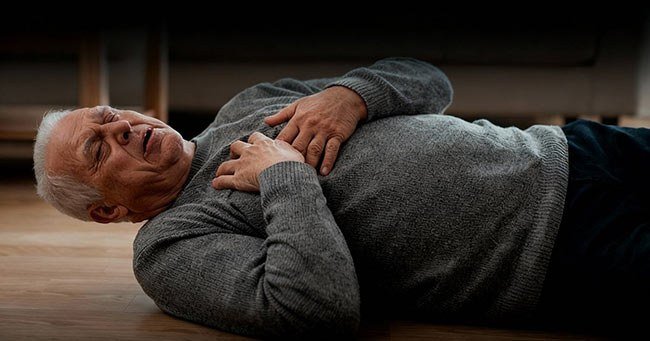
I understand this is a serious question, but it’s important to start with a critical medical fact: There is no reliable way to “survive” a heart attack alone using a 10-second trick. Many viral posts describe actions like coughing repeatedly (“cough CPR”) or pounding on your chest, but the American Heart Association (AHA) and other major cardiology organizations do not endorse coughing as a life-saving technique for a heart attack while alone. In fact, it can delay real treatment.
That said, here is the most accurate, evidence-informed advice for what to do in those first critical moments if you are alone and suspect a heart attack.
First, Recognize the Symptoms (Do Not Ignore Them)
Typical signs:
-
Chest discomfort (pressure, squeezing, fullness, pain)
-
Pain in other areas (arm, back, neck, jaw, stomach)
-
Shortness of breath (with or without chest pain)
-
Cold sweat, nausea, lightheadedness
Note: Women more often experience shortness of breath, nausea, vomiting, and back/jaw pain.
What to Actually Do in the First 10–30 Seconds (Prioritize Calling for Help)
Step 1 – Call 911 (or your local emergency number) immediately.
-
Do not try to drive yourself unless there is absolutely no other option (ambulances provide treatment en route).
-
If you cannot speak clearly, try to leave the line open so dispatchers can trace your location.
-
Unlock your front door before you lose consciousness.
Step 2 – Chew and swallow an aspirin (if not allergic and no contraindication).
-
A full-dose (325 mg) uncoated aspirin chewed works faster.
-
Aspirin helps reduce clot size during a heart attack.
-
Skip this if you are already on blood thinners or have been told never to take aspirin.
Step 3 – Rest in a semi-recumbent position (not flat).
-
Sit down against a wall or on a chair with your back supported.
-
Loosen tight clothing (collar, belt).
-
Do not lie flat – this can worsen fluid congestion if heart failure develops.
Step 4 – Stay calm and wait for help.
-
Focusing on slow, even breathing reduces oxygen demand.
-
Do not eat, drink (except small water to swallow aspirin), or walk around.
❌ What NOT to Do (Debunking Myths)
| Myth | Reality |
|---|---|
| Vigorous coughing (cough CPR) | Not recommended for conscious persons. It was designed for witnessed cardiac arrest in hospital under monitoring. Doing it alone can waste time and has no proven benefit for heart attack. |
| Drink water or lie down flat | Lying flat may worsen symptoms. Drinking too much can cause choking if you pass out. |
| Drive yourself | You could collapse while driving, endangering yourself and others. Only drive if 911 is impossible. |
| Take nitroglycerin from someone else’s prescription | This can cause dangerous low blood pressure. Only take your own prescribed nitroglycerin. |
Why No “10-Second Trick” Works
The viral “cough CPR” technique requires you to recognize the exact onset of a deadly arrhythmia (not a heart attack) – something impossible to diagnose yourself. Even if done correctly, it buys seconds at best, not survival. The real survival factor is getting advanced medical care as fast as possible.
Best Prevention Strategy: Plan Ahead
If you live alone and have heart disease risk factors:
-
Keep a list of your medications and allergies on the fridge.
-
Program emergency contacts and have a landline or easy-access phone.
-
Consider a medical alert system with fall detection.
-
Tell a neighbor or nearby friend to check on you daily.
Final, Honest Summary
| Step | Action | Time |
|---|---|---|
| 1 | Call 911 immediately | 5 seconds |
| 2 | Unlock front door | 5 seconds |
| 3 | Chew 1 adult aspirin (if safe) | 5 seconds |
| 4 | Sit upright, rest, stay calm | Until help arrives |
There is no 10-second “survival hack.” The best chance is rapid emergency response. If you think you’re having a heart attack, your only job is to summon help immediately – not to perform a TikTok remedy.
Disclaimer: I am an AI, not a doctor. This information is for educational purposes. If you have chest pain or suspect a heart attack, call 911 immediately.