⚠️ Important Medical Disclaimer
This information is for educational purposes only and does not constitute medical advice. Always consult with your physician or a neurologist before starting, stopping, or changing any supplement regimen, especially if you have a history of stroke, heart disease, or are taking blood-thinning medications.
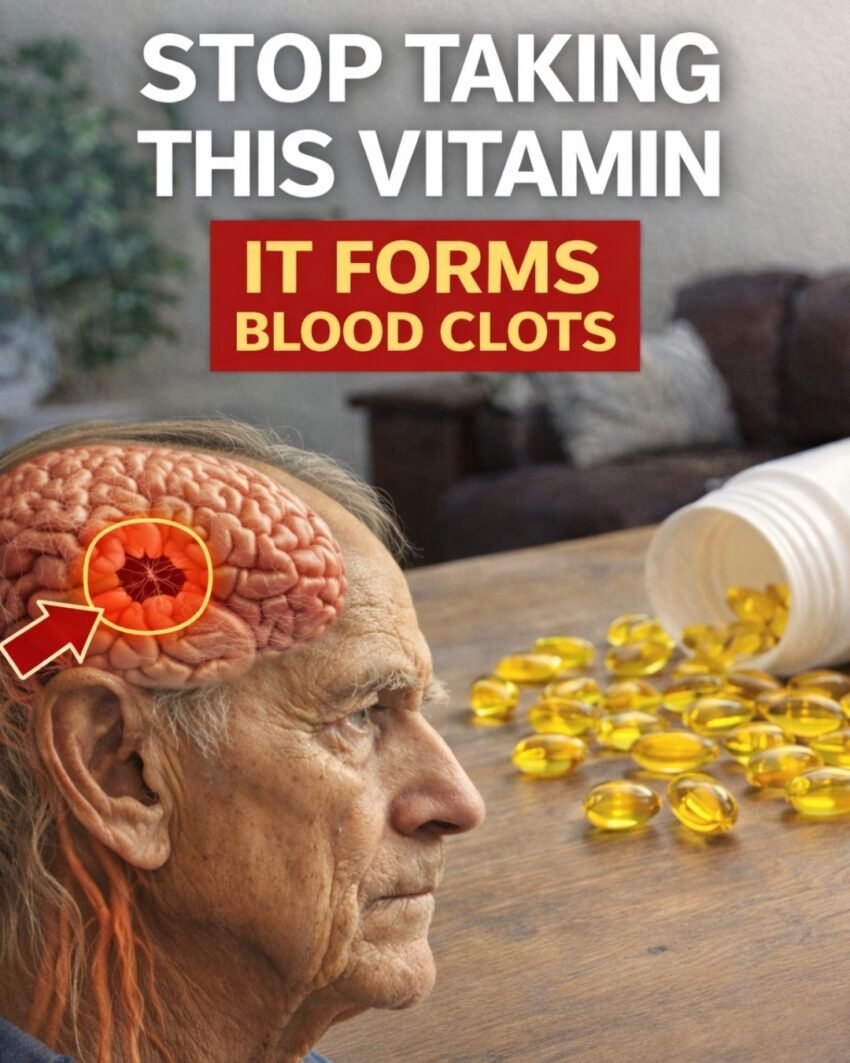
🧠 As a Brain Doctor, I’m Concerned: Could Vitamin E Affect Stroke Risk in Seniors?
Yes. The relationship between vitamin E and stroke risk is complex and dose-dependent. While vitamin E is an antioxidant that many believe protects the brain, high doses may actually increase the risk of hemorrhagic (bleeding) stroke in certain populations.
Here’s what every senior and caregiver needs to know.
🔬 What Is Vitamin E?
Vitamin E is a fat-soluble vitamin (specifically alpha-tocopherol is the form used in most supplements). It acts as an antioxidant, protecting cell membranes from oxidative damage.
Natural food sources:
-
Nuts (almonds, hazelnuts)
-
Seeds (sunflower seeds)
-
Vegetable oils (wheat germ oil, sunflower oil)
-
Green leafy vegetables (spinach, broccoli)
Typical dietary intake: 6–10 mg per day (recommended daily allowance is 15 mg for adults).
🧪 The Stroke Risk Evidence
Vitamin E has been studied extensively. Results depend on type of stroke and dosage.
📉 Ischemic Stroke (Clot-Related)
| Finding | Evidence |
|---|---|
| May slightly reduce risk | Some studies show a modest protective effect against ischemic stroke (the most common type, caused by blood clots). |
| Mechanism | Antioxidant properties may reduce inflammation and oxidative stress in blood vessels. |
| Strength of evidence | Weak to moderate. Not strong enough to recommend supplementation solely for stroke prevention. |
📈 Hemorrhagic Stroke (Bleeding-Related)
| Finding | Evidence |
|---|---|
| Significantly increased risk | A major meta-analysis (reviewing over 50 clinical trials) found that high-dose vitamin E (≥400 IU per day) increased the risk of hemorrhagic stroke by 22% . |
| Mechanism | Vitamin E has mild antiplatelet (blood-thinning) effects, which can increase bleeding risk, especially in people with poorly controlled high blood pressure, prior hemorrhagic stroke, or those taking other blood thinners. |
| Strength of evidence | Moderate to strong. The increased risk appears to be dose-dependent. |
📊 Key Study: Vitamin E and Stroke Risk
A landmark 2010 meta-analysis in BMJ (British Medical Journal) pooled data from over 118,000 patients and found:
| Outcome | Effect of High-Dose Vitamin E (≥400 IU/day) |
|---|---|
| Ischemic stroke | 10% reduction (not statistically significant) |
| Hemorrhagic stroke | 22% increase (statistically significant) |
| Total stroke | No significant difference |
⚠️ Conclusion: For every 1,000 people taking high-dose vitamin E, there would be approximately 1 additional hemorrhagic stroke over a 5-year period.
🧑🦳 Who Is at Highest Risk?
| Risk Factor | Why It Matters |
|---|---|
| Age 65+ | Blood vessels are more fragile with age; risk of hemorrhagic stroke increases. |
| History of hemorrhagic stroke | Even small increases in bleeding risk are dangerous. |
| Uncontrolled high blood pressure | High BP is the #1 risk factor for bleeding strokes; adding vitamin E may compound risk. |
| Taking blood thinners | Warfarin, apixaban, rivaroxaban, clopidogrel, aspirin (high dose). Vitamin E adds additional antiplatelet effect, increasing bleeding risk. |
| Liver disease | Liver produces clotting factors; vitamin E may further increase bleeding tendency. |
| Vitamin K deficiency | Vitamin K is essential for clotting; vitamin E can interfere with vitamin K function. |
✅ When Is Vitamin E Safe (or Even Beneficial)?
Vitamin E is not “bad” — it’s a matter of dose, form, and individual risk profile.
Situations where low-dose vitamin E may be acceptable:
| Condition | Typical Dose | Notes |
|---|---|---|
| Dietary deficiency (rare in healthy adults) | 15–30 mg (22–45 IU) | Under medical supervision |
| Alzheimer’s disease (moderate severity) | 2000 IU/day (very high) | Some neurologists prescribe for certain patients with Alzheimer’s — but this is a specific medical decision, not for general use. |
| Fat malabsorption disorders (Crohn’s, cystic fibrosis) | As prescribed | To prevent deficiency, not for stroke prevention. |
🚫 There is no evidence that healthy seniors should take vitamin E to prevent stroke, heart disease, or cognitive decline. Major medical societies (AHA, ASA, AAN) do not recommend vitamin E for this purpose.
📋 Practical Recommendations for Seniors
| Do This | Avoid This |
|---|---|
| Get vitamin E from food (nuts, seeds, leafy greens) | Taking high-dose (≥400 IU) supplements without medical need |
| Check your multivitamin — many contain 30–100 IU | Adding an extra vitamin E pill on top of a multivitamin |
| Tell your doctor about all supplements you take | Assuming “natural” means automatically safe |
| Ask about stopping vitamin E if you have high BP, prior bleed, or take blood thinners | Stopping abruptly without discussing with your doctor |
🧠 A Neurologist’s Perspective
“I see patients every week who are taking high-dose vitamin E because a friend or a website told them it would prevent dementia or heart disease. The evidence for that is weak at best. But the evidence for increased bleeding risk — especially in older adults with high blood pressure — is real. I generally recommend my patients get their vitamins from food, not pills.”
📞 When to Talk to Your Doctor
Schedule a conversation if you:
-
Currently take ≥400 IU vitamin E daily
-
Have high blood pressure (especially if not well controlled)
-
Have a personal or family history of hemorrhagic stroke
-
Take any blood-thinning medication (including low-dose aspirin)
-
Are scheduled for surgery
🚨 Do not stop vitamin E abruptly before surgery without medical guidance. Your doctor will advise on timing (typically 1–2 weeks before elective surgery).
📌 The Bottom Line
| Question | Answer |
|---|---|
| Is vitamin E dangerous? | Not at dietary levels. At high supplemental doses (≥400 IU/day), it increases hemorrhagic stroke risk. |
| Should seniors take vitamin E for stroke prevention? | No. There is no evidence of benefit, and there is evidence of harm for hemorrhagic stroke. |
| Can I get enough vitamin E from food? | Yes. A handful of almonds or sunflower seeds provides the daily requirement. |
| What if I’m already taking high-dose vitamin E? | Talk to your doctor. Do not stop on your own, but discuss whether it’s still appropriate for you. |
📚 Reliable Sources for More Information
-
American Stroke Association –
-
American Heart Association –
-
National Institutes of Health (NIH) – Vitamin E Fact Sheet –
Bottom line: For most seniors, the best way to get vitamin E is from a healthy diet. High-dose supplements offer no proven benefit for stroke prevention and carry a small but real risk of hemorrhagic stroke. Always discuss supplements with your healthcare provider — they are medicines, not just natural remedies.